
When Is Tooth Extraction Really Necessary?
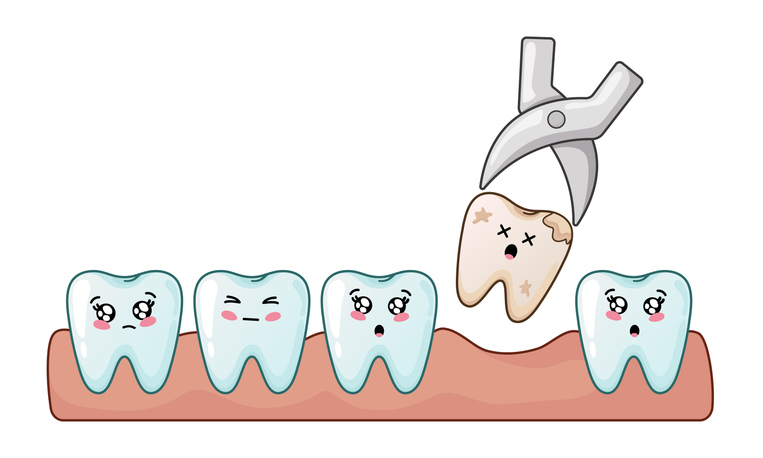
Your Emergency Guide to Handling an Urgent Tooth Extraction
A dental emergency can happen when you least expect it. Whether it’s sudden pain, an accident, or a long-standing issue that has worsened, knowing when to seek help is crucial. Sometimes, the best solution is an emergency tooth extraction. Modern Touch Dental Glendale in Glendale, WI, is here to provide trusted care when you need it most. Understanding the reasons for a tooth extraction and recognizing it’s warning signs can help you make informed decisions about your oral health. Acting quickly can prevent complications and protect your smile. This guide walks you through everything you need to know about emergency tooth extractions, from common causes to recovery tips.
Top Reasons for a Tooth Extraction
Having a tooth extraction is more common than you might think. While saving a tooth is always the first goal, there are situations where removal is the best option for your health. Here are the most common reasons for tooth extraction:
- Severe Decay – When a cavity goes untreated, it can damage the tooth beyond repair. Extraction prevents infection from spreading to surrounding teeth.
- Advanced Gum Disease – Periodontal disease can weaken the structures supporting your teeth. If the bone is too damaged, extraction may be necessary.
- Impacted Wisdom Teeth – Wisdom teeth often don’t have enough room to emerge properly. This can cause pain, swelling, and infection.
- Crowding – Sometimes teeth need to be removed to make space for orthodontic treatment. This helps achieve proper alignment.
- Tooth Fracture – A crack or break that extends below the gum line often cannot be repaired. Extraction prevents further damage and discomfort.
- Infection or Abscess – When infection reaches the tooth’s pulp and a root canal isn’t enough, extraction may be required to protect your overall health.
Can a Decayed Tooth Be Saved?
The answer depends on the extent of the decay. Early-stage cavities can often be treated with fillings or dental crowns. However, when decay reaches the tooth’s nerve or causes significant structural damage, extraction may be the only option. Your dentist will evaluate the tooth and recommend the best course of action to preserve your oral health.
Signs You May Need a Tooth Extraction
Recognizing the warning signs early can make a big difference. If you’re experiencing any of the following symptoms, it’s time to schedule an appointment:
- Persistent Pain – An ongoing toothache that doesn’t improve with over-the-counter pain relievers could indicate a serious problem. Don’t ignore it.
- Swelling Around the Tooth – Swollen gums or facial swelling can signal infection. Prompt treatment is essential to prevent it from spreading.
- Difficulty Chewing – Pain or discomfort when biting down may mean the tooth is damaged or infected. This affects your ability to eat comfortably.
- Loose Tooth – A tooth that moves or feels unstable is a clear sign of underlying issues. Advanced gum disease or bone loss could be the cause.
- Visible Damage or Decay – Cracks, chips, or dark spots on a tooth should never be ignored. These can worsen quickly without treatment.
- Bad Taste or Odor – A persistent bad taste or smell in your mouth may indicate an abscess. This requires immediate attention.
What Happens If You Delay Extraction?
Delaying a necessary tooth extraction can lead to serious complications. Infection can spread to other teeth, your jawbone, or even your bloodstream. Pain and swelling may worsen, making eating and speaking difficult. In some cases, untreated infections can become life-threatening. When do you need a tooth pulled? The answer is as soon as your dentist recommends it.
What to Expect During the Extraction Procedure
The extraction process is straightforward and designed with your comfort in mind. Your dentist will numb the area to ensure you don’t feel pain. For more complex cases, sedation options are available. The tooth is carefully removed, and any necessary follow-up care is explained. Modern Touch Dental Glendale uses advanced techniques to make the procedure as smooth as possible.
Tooth Extraction Recovery Tips
Taking care of yourself after an extraction is key to a smooth recovery. Following these tips will help you heal faster and avoid complications:
- Rest and Relax – Give your body time to heal by avoiding strenuous activity for at least 24 hours. Rest helps reduce swelling and promotes recovery.
- Apply Ice Packs – Use an ice pack on the outside of your face for 15 minutes at a time. This reduces swelling and eases discomfort.
- Eat Soft Foods – Stick to soft foods like yogurt, applesauce, and mashed potatoes for the first few days. Avoid anything crunchy or hard.
- Avoid Smoking – Smoking can delay healing and increase the risk of complications. It’s best to avoid it entirely during recovery.
- Take Medications as Directed – Follow your dentist’s instructions for pain relievers or antibiotics. This keeps you comfortable and prevents infection.
- Keep the Area Clean – Gently rinse your mouth with salt water after 24 hours. Avoid vigorous rinsing or touching the extraction site.
When Is Tooth Extraction an Emergency?
Not every extraction is urgent, but some situations require immediate care. Severe pain or signs of infection like fever and facial swelling are red flags. If you’ve suffered trauma to your mouth or suspect an abscess, don’t wait. Modern Touch Dental Glendale is equipped to handle dental emergencies promptly and effectively.
Frequently Asked Questions
Curious about whether your tooth needs removal? We have answers to some of the most common questions about tooth extractions:
- How long does recovery take? Most people feel better within a few days. Full healing of the extraction site can take one to two weeks.
- Will I need a replacement tooth? Depending on the location of the extraction, your dentist may recommend a bridge, implant, or partial denture to restore function and appearance.
- Is tooth extraction painful? The procedure itself is not painful thanks to anesthesia. You may experience mild discomfort during recovery, which can be managed with medication.
- Can I drive myself home after the extraction? If you receive only local anesthesia, you can drive yourself home. Sedation options may require someone to drive you.
Schedule Your Appointment Today
Don’t let a dental emergency catch you off guard. If you’re experiencing pain, swelling, or any of the warning signs mentioned above, contact Modern Touch Dental Glendale right away. Our experienced team is ready to provide the care you need in a comfortable and welcoming environment. Tooth extraction recovery is easier when you’re in good hands. Schedule your appointment today and take the first step toward a healthier smile.