
Extractions
Fast & Comfortable Tooth Extractions in Glendale, WI
While Dr. McDonald always aims to preserve natural teeth whenever possible, there are circumstances in which tooth extraction is the healthiest option for your smile. Whether you’re dealing with a severe toothache, a crowded mouth, or a damaged tooth that can’t be saved, modern dentistry has made the process faster and more comfortable. At Modern Touch Dental Glendale, we prioritize patient comfort and education, ensuring you know exactly what to expect.

When Is it Necessary to Have a Tooth Extracted?
We recommend extraction when a tooth is damaged beyond repair or threatens the health of surrounding teeth. Here are a few common scenarios where removal becomes necessary:
- Severe Decay or Infection – When a cavity extends deep into the pulp of the tooth and can’t be fixed with a root canal, the infection risks spreading to the jawbone. Removing the tooth stops the infection in its tracks.
- Crowding – Sometimes, a mouth is too small to accommodate all the teeth. Orthodontists often request extractions to create space for teeth to align properly during braces or aligner treatment.
- Trauma – Accidents happen. If a tooth is cracked or broken at the gum line due to an injury, extraction might be the only viable solution.
- Stubborn Baby Teeth – Occasionally, a baby tooth has long or misshapen roots that prevent it from falling out naturally. The dentist must remove it to allow the permanent tooth to erupt correctly.
Types of Tooth Extractions We Perform
Not all extractions are the same. The technique used depends largely on the position and condition of the tooth:
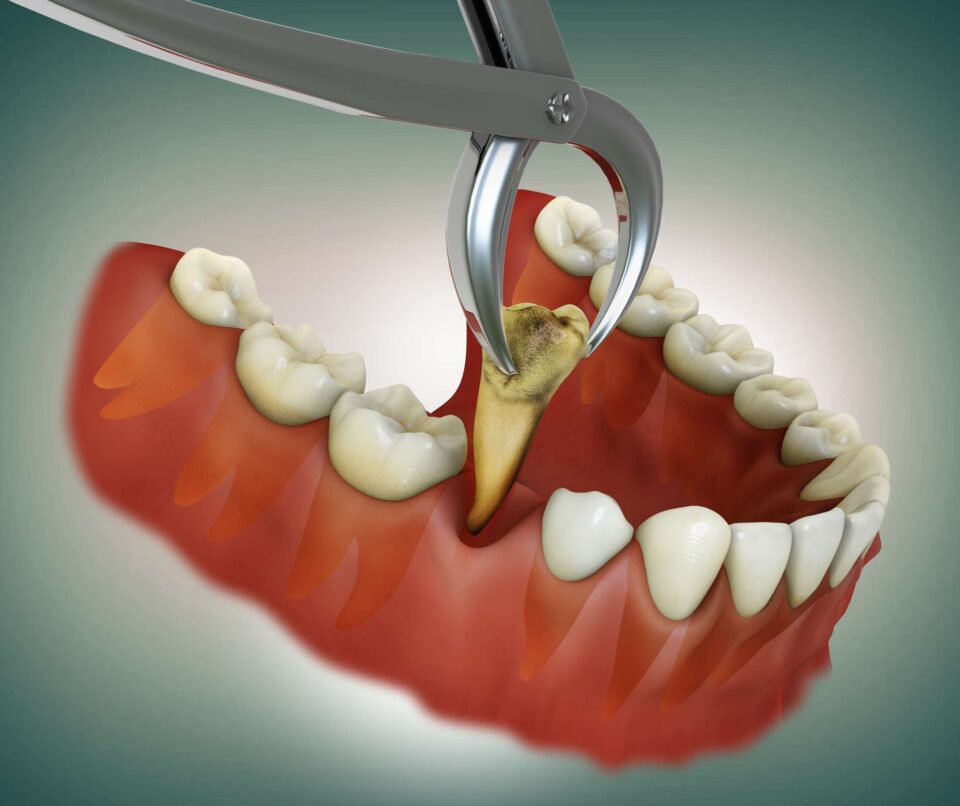
- Simple Extractions – This is the most common procedure, performed on teeth that are visible above the gum line. McDonald loosens the tooth with an instrument called an elevator and then removes it with forceps. It’s typically a quick process used for decayed or broken teeth that are still accessible.
- Surgical Extractions and Wisdom Teeth – Surgical extractions are more complex and are required if a tooth has broken off at the gum line or hasn’t erupted yet. This is standard for wisdom tooth extraction. Wisdom teeth, or third molars, often become stuck because there isn’t enough room in the jaw. Removing them prevents future pain, infection, and crowding of adjacent teeth.
What to Know About Emergency Tooth Extractions
Dental pain rarely adheres to a convenient schedule. You might wake up with throbbing pain or suffer an injury over the weekend. An emergency tooth extraction is performed to provide immediate relief from acute distress.
If you’re experiencing severe swelling, uncontrollable pain, or signs of an abscess (a pocket of pus caused by infection), waiting for a routine appointment isn’t an option. Prompt removal of the problematic tooth eliminates the source of the pain and prevents the infection from entering the bloodstream, which could lead to serious systemic health issues.
What to Expect During a Tooth Extraction Procedure
When you arrive for a tooth extraction, Dr. McDonald will first administer a local anesthetic to completely numb the area surrounding the tooth. For patients experiencing high levels of anxiety, additional sedation options may be available to help maintain a state of relaxation. Once the area is numb, Dr. McDonald uses specialized instruments to gently loosen the tooth from its socket before carefully removing it. While you may feel some pressure during this stage, the procedure is typically quick and focused on immediate stabilization, followed by the placement of gauze to promote blood clotting and the start of the healing process.
The Tooth Extraction Healing & Recovery Process
Tooth extraction recovery varies depending on the complexity of the situation. For a simple extraction, the site typically heals within 10 days. Extracted wisdom tooth healing may take a few weeks as the gum tissue fully closes and the jawbone remodels.
The most critical part of tooth extraction healing occurs in the first 24 hours. A blood clot must form in the empty socket to stop bleeding and protect the exposed bone. If this clot is dislodged, it can lead to dry sockets. You can expect some swelling for the first few days. This is a normal inflammatory response as your body sends white blood cells to the area to begin the repair process.
Tooth Extraction Aftercare Instructions
Success relies heavily on how well you follow tooth extraction aftercare protocols. Your actions at home directly influence how quickly you get back to your routine. Follow these guidelines for a smooth recovery:
- Bite on Gauze – Keep pressure on the gauze pad for up to 45 minutes to help the blood clot form.
- Avoid Suction – Don’t use straws, smoke, or spit vigorously for at least 48 hours. The suction can pull the blood clot out of the socket.
- Rest – Elevate your head with pillows when lying down and avoid strenuous physical activity for a few days to keep blood pressure low.
- Keep it Clean – After 24 hours, gently rinse your mouth with warm salt water to kill bacteria, but don’t brush the extraction site directly.
What to Eat After a Tooth Extraction
Nutrition is important for healing, but you need to be careful not to damage the surgical site. Knowing what to eat after a tooth extraction can help reduce your pain. Stick to a liquid or a soft diet for the first few days. As you heal, you can gradually reintroduce semi-solid foods. Here’s a list of soft foods to eat after a tooth extraction:
- Cool soups and broths (avoid anything piping hot)
- Greek yogurt and pudding
- Applesauce
- Mashed potatoes or mashed sweet potatoes
- Scrambled eggs
- Smoothies (no straws!)
- Oatmeal (cooled down)
- Cottage cheese
Say Goodbye to Tooth Pain
A tooth extraction is often the first step toward a healthier smile. By removing the source of infection or crowding, you pave the way for better oral health or a successful restorative treatment such as an implant or bridge. If you’re experiencing tooth pain, contact Modern Touch Dental Glendale today. We’re here to guide you through the process, from the initial exam to full recovery.