
How Long Does Teeth Whitening Last and How to Maintain It
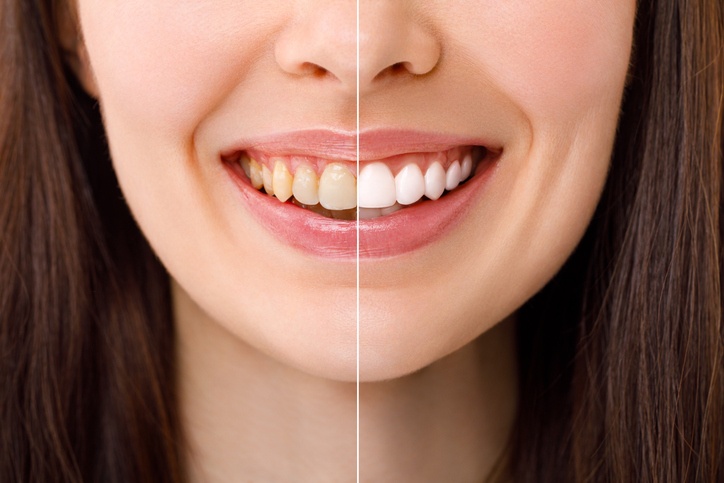
How Long Does Teeth Whitening Lasts and How to Keep It White
A bright, glowing smile can completely transform your confidence. After investing time and money in a professional whitening treatment, you naturally want those beautiful results to last. Many patients leave the clinic thrilled with their new look, only to wonder how to keep their teeth looking fresh for weeks and months to come. The truth is that whitening is not a permanent fix. Your daily habits, diet, and oral hygiene routine play a major role in the lifespan of your newly brightened smile. Knowing exactly how to care for your teeth post-treatment ensures you get the most value out of your investment. If you are a resident of Glendale, WI, the team at Modern Touch Dental Glendale is always here to help you achieve and maintain your dream smile. Below, we outline everything you need to know about the process, how long teeth whitening lasts, and the best ways to protect your results from premature fading.
How Long Does Teeth Whitening Last?
The lifespan of your whitening treatment depends heavily on the method used and your personal lifestyle. On average, professional teeth whitening performed at a dental office can last anywhere from six months to three years. Over-the-counter options, such as whitening strips or basic gels, typically offer results that last for a few months at most. Professional treatments use stronger, safer bleaching agents that penetrate deeper into the enamel. This means the baseline color of your teeth becomes noticeably lighter. However, even the highest quality professional treatments require proper aftercare. If you consume highly pigmented foods or use tobacco products, your results fade much closer to the six-month mark.
Why Whitening Results Fade
Your teeth are covered in enamel, which is a hard, protective outer layer. While enamel feels incredibly smooth, it is porous on a microscopic level. These tiny pores can trap environmental stains in your mouth. Does whitening fade quickly? It entirely depends on what you expose those pores to. Right after a whitening treatment, your enamel pores are slightly more open than usual. This makes your teeth highly susceptible to picking up new stains in the first 48 hours. Even after that initial window closes, the natural processes of eating, drinking, and aging will gradually introduce new discoloration.
What Ruins Whitening Results
Understanding what ruins whitening results is a critical step in preserving your bright smile. Several common habits can rapidly undo the progress you made during your dental visit. Smoking or chewing tobacco is one of the fastest ways to destroy a fresh whitening treatment. The tar and nicotine in tobacco products seep deep into the enamel pores, leaving stubborn yellow or brown stains that are incredibly difficult to remove with standard brushing. Poor oral hygiene also sabotages your results. Skipping your daily brushing and flossing routine allows plaque and tartar to build up on your teeth. Plaque is naturally sticky and holds onto the colors from your food, making your smile look dull and yellow.
Foods and Drinks to Avoid After Whitening
Your diet heavily influences the color of your teeth. Certain items contain strong pigments and high acidity, which can stain teeth or weaken the enamel. To maximize your results, pay close attention to the food to avoid after whitening. Coffee and black tea are major culprits for dental staining. The dark pigments bind easily to tooth enamel. Red wine is another harsh offender, combining dark colors with high acidity that softens the enamel, allowing stains to penetrate deeper. You should also be careful with dark berries, such as blackberries, blueberries, and raspberries. Tomato-based sauces, soy sauce, and balsamic vinegar have similarly strong staining properties. Generally, if a food or drink would leave a tough stain on a white shirt, it will likely stain your teeth.
Teeth Whitening Maintenance Tips
You do not have to give up your favorite foods forever to keep your smile bright. Implementing a few teeth whitening maintenance tips can help you enjoy your daily life while protecting your results. First, consider drinking dark liquids through a straw. Bypassing the front teeth prevents the liquid from washing directly over your visible smile. If you do consume staining foods or beverages, rinse your mouth with plain water immediately afterward. This simple action washes away leftover pigments before they can settle into the enamel. Brush your teeth twice a day using a fluoride toothpaste. Your dentist might also recommend a gentle whitening toothpaste to use a few times a week for maintenance. Just be careful not to overuse highly abrasive pastes, as they can wear down your enamel over time. Flossing daily is equally important, as it removes plaque from between the teeth where stains love to hide.
How Often Should You Whiten Your Teeth?
Many patients ask, “How often should I whiten my teeth?” The answer varies from person to person. Frequent whitening can lead to severe tooth sensitivity and potential enamel damage. For professional treatments, most dentists recommend waiting at least once a year for a full session. If you practice excellent oral hygiene and avoid staining habits, you might only need a minor touch-up every year or two. Custom take-home trays provided by your dentist can be a safe way to perform light touch-ups every few months, provided you strictly follow their professional guidance.
Long-Term Care to Keep Your Smile Bright
Maintaining a white smile is a long-term commitment. Regular visits to your dentist for professional cleanings are non-negotiable. A dental hygienist has the tools to remove hardened tartar and polish away surface stains left by regular toothbrushes. Staying hydrated by drinking plenty of water throughout the day also promotes saliva production. Saliva is your mouth’s natural defense system, constantly washing away food particles and neutralizing acids that cause tooth decay and discoloration.
When to See a Dentist
Sometimes, you might need professional intervention to keep your smile healthy and bright. If you experience sharp, lingering tooth sensitivity after a whitening session, schedule an appointment to ensure your enamel is safe. You should also visit your dentist if you notice your teeth fading unevenly or if white spots appear on the surface. At Modern Touch Dental Glendale, our team can evaluate your oral health and recommend the safest, most effective touch-up schedule for your unique needs. We ensure your treatments are comfortable and perfectly suited to your dental profile.
Keep Your Smile Shining in Glendale
Teeth whitening is a fantastic way to boost your confidence and refresh your appearance. By understanding the factors that cause fading and adopting strong daily habits, you can enjoy your stunning results for years to come. If you are ready for a brighter smile or if you need professional advice on maintaining your current results, the experts at Modern Touch Dental Glendale are here to assist. Contact us today to schedule your next appointment and keep your smile looking at its absolute best.