
The Science Behind Teeth Stains and How Whitening Fixes Them
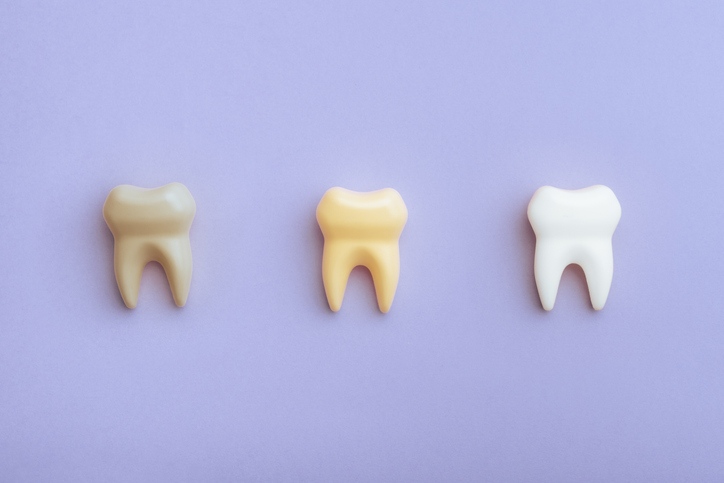
Understanding What Causes Teeth Stains and How to Remove Them Safely
A bright, healthy smile is something many people want but keeping teeth perfectly white can be a constant battle. You might brush twice a day and floss regularly yet still notice a gradual yellowing over time. Understanding why teeth stain is the first step to reclaiming a brilliant smile. This post explores the science of tooth discoloration, how whitening treatments work, and what you can do to keep your teeth looking their best. If you need professional assistance with teeth whitening, contact Modern Touch Dental Glendale in Glendale, WI today.
What Causes Teeth to Stain?
To fix the problem, you need to understand the fundamental causes of tooth discoloration. Dentists generally categorize stains into two main types: extrinsic and intrinsic. Extrinsic stains happen on the surface of the tooth. Dark-colored foods, beverages, and tobacco use usually cause them. Intrinsic stains occur deep inside the tooth. These can result from physical trauma to the tooth, certain medications taken during childhood, or the natural aging process. Knowing which type of stain you have dictates the treatment you need.
The Science Behind Teeth Stains
Your teeth might feel perfectly smooth to the touch, but tooth enamel is highly porous under a microscope. Enamel acts like a hard sponge. When you eat or drink, microscopic pigments from your food seep into these tiny pores. Additionally, teeth are covered by a thin protein layer called the pellicle. This layer helps protect the enamel from acid attacks, but it also attracts external pigments. Over time, the pellicle absorbs color from your diet, leading to a dull or yellowed appearance. Without intervention, these pigments settle deeper into the enamel matrix.
How Whitening Works: The Science Explained
Brushing cleans only the surface layer of the tooth, which is why standard toothpaste cannot remove years of deep discoloration. So, exactly how whitening works relies on a specific chemical reaction known as oxidation. Whitening products contain active bleaching ingredients like hydrogen peroxide or carbamide peroxide. When applied to the teeth, these bleaching agents break down into volatile oxygen molecules. Oxygen deeply penetrates the porous enamel and attacks the chemical bonds of the discolored molecules within. As those molecular bonds break apart, the dark stains dissolve and become colorless, leaving the tooth looking visibly lighter and brighter.
Types of Teeth Stain Removal Methods
There are several methods for removing tooth stains, ranging from grocery store solutions to advanced dental procedures. Whitening toothpastes use mild abrasives to polish away surface stains gently. They are great for daily maintenance, but do not contain enough active bleach to change the tooth’s actual color. Over-the-counter strips and gels contain low concentrations of peroxide. They offer moderate results if used consistently over a few weeks. Professional dental whitening treatments use high-concentration bleaching gels, often activated by specialized UV or LED light, to deliver dramatic, immediate results in a single visit.
Why Professional Whitening Lasts Longer
Over-the-counter products are convenient, but they often lack the chemical strength needed for deep penetration. If you live near Glendale, WI, visiting a local clinic like Modern Touch Dental Glendale ensures you get a customized, highly effective treatment plan. Professional whitening reaches the deeper intrinsic stains that basic pharmacy strips leave behind. Dentists also provide custom-fitted whitening trays that keep the professional-grade gel in direct contact with the teeth. This prevents saliva from washing away the solution and protects your sensitive gums from chemical irritation.
Does Coffee Permanently Stain Teeth?
Many people rely on a morning cup of coffee to start their day. Unfortunately, coffee is rich in dark pigments called tannins. These tannins easily stick to the pellicle and enamel. If you drink coffee daily, you might wonder, “Does coffee permanently stain teeth?” The good news is that coffee stains are usually extrinsic. They can be effectively removed with professional whitening or diligent oral hygiene. However, if left untreated for years, the pigments can settle deeper into the enamel, making them much harder to erase with simple brushing alone.
What Causes Yellow Teeth Even After Brushing?
It can be incredibly frustrating to brush religiously and still lack a bright smile. What causes yellow teeth, even after brushing often, often comes down to the tooth’s physical anatomy. Beneath the semi-translucent white enamel lies a core layer called dentin, which is naturally yellow. As we age, the outer enamel slowly wears away, making the yellowish dentin underneath much more visible. Brushing too hard with an abrasive toothpaste can accelerate this enamel wear. Genetics also plays a significant role. Some people are born with thinner enamel or naturally darker dentin, making their teeth appear yellow even when they brush regularly.
How to Maintain Whiter Teeth After Whitening
Once you achieve your desired shade of white, daily maintenance is key to protecting your investment. Drink plenty of water during and after meals to wash away stain-causing food particles. If you drink dark liquids like iced tea, cola, or iced coffee, try sipping them through a straw to minimize direct contact with your front teeth. Keep up with your regular dental cleanings. Your dental hygienist has specialized tools to polish away newly formed surface stains before they have a chance to set deeply into the enamel pores.
When Whitening May Not Work
While the oxidation process is highly effective for most people, it does have specific limitations. Whitening agents do not alter the color of artificial dental restorations, such as crowns, porcelain veneers, or tooth-colored fillings. If you have older dental work, whitening your natural teeth might make the darker restorations stand out awkwardly. Additionally, severe intrinsic stains caused by medications like tetracycline or excessive fluoride exposure can be highly resistant to standard chemical bleaching. In these specific cases, cosmetic alternatives such as custom veneers might be a much better option for achieving a uniform smile.
Achieve Your Brightest Smile at Modern Touch Dental Glendale
Understanding the science behind tooth discoloration empowers you to make smarter choices about your oral care routine. By recognizing what causes stains and understanding how the whitening process works, you can choose the most effective treatment for your unique smile. If you are struggling with stubborn stains and want reliable, long-lasting results, professional guidance makes all the difference. Reach out to the team at Modern Touch Dental Glendale to explore your professional whitening options and take the first step toward a radiant, confident smile today.