
Can Tooth Reshaping Fix Minor Chips and Uneven Teeth?
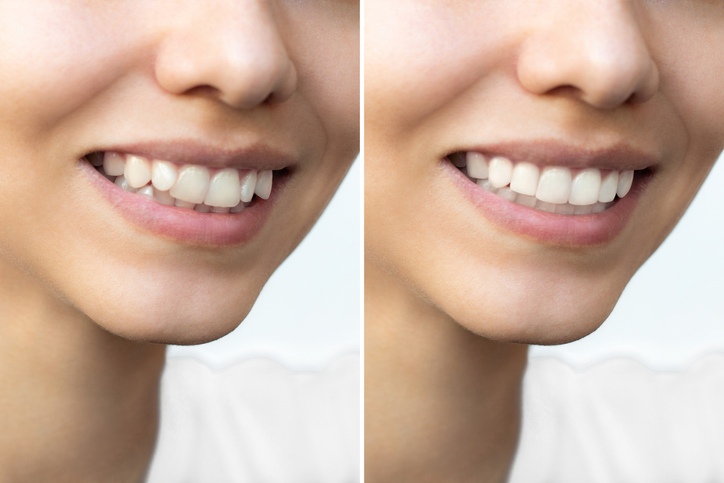
A tiny chip on a front tooth can bother you far more than its size suggests. You notice it in photos, you feel it with your tongue and you start wondering whether fixing it means a crown or veneer. Often it doesn’t. For small chips and uneven edges, tooth reshaping is one of the simplest, most conservative fixes in cosmetic dentistry.
What Is Tooth Reshaping?
Tooth reshaping, also called enamel contouring, smooths and reshapes a tooth by gently removing a very small amount of its outer enamel. Dr. Nathan McDonald uses fine polishing tools to round off a rough edge, even out a tooth that’s slightly longer than its neighbors or soften a point that catches the light. The result is a smoother, more balanced smile, usually finished in a single visit.
Problems Reshaping Can Fix
- Small chips along the biting edge of a front tooth
- Rough or jagged edges that catch your tongue or lip
- A tooth that’s a little longer than the teeth beside it
- Pointed canines you’d like to look softer
- Minor unevenness along the edges of your front teeth
When Reshaping Isn’t Enough
Reshaping works best for small cosmetic issues, because it can only remove a limited amount of enamel. It isn’t the right choice when:
- The Chip Is Large: A bigger break usually needs bonding, a veneer or a crown to rebuild the missing part of the tooth.
- The Enamel Is Thin: Removing more could expose the softer layer underneath and cause sensitivity.
- The Teeth Are Crooked or Gapped: Moving teeth with clear aligners may be the better first step.
- The Tooth Is Stained: Reshaping changes shape, not color. Professional whitening or veneers address color.
At your consultation, Dr. McDonald will check your enamel thickness and bite before recommending anything, and he’ll tell you if a different option would serve you better.
What to Expect at Your Appointment
- A Quick Exam: We check the tooth, your bite and the thickness of your enamel, sometimes with an X-ray.
- Planning the Shape: Dr. McDonald shows you which edges he’ll smooth and how the tooth will look afterward.
- Reshaping: Small amounts of enamel are gently removed and the tooth is smoothed. Because only the outer enamel is involved, most patients don’t need numbing.
- Polishing: The tooth is polished so it feels smooth and natural.
The whole process usually takes less than an hour, and you can eat normally right afterward.
Reshaping and Bonding Together
Reshaping is often paired with bonding. For a slightly larger chip, Dr. McDonald may reshape the surrounding edges and use tooth-colored resin to fill in the missing piece. Together, the two can fix a chip that neither could handle on its own, often in the same appointment.
Is Tooth Reshaping Permanent?
Yes. The enamel removed doesn’t grow back, which is why reshaping is kept to small, careful adjustments. The upside is that results last without any upkeep beyond your normal brushing, flossing and checkups.
Does It Hurt?
Most patients feel only light vibration or pressure. Because the change happens in the outer enamel, where there are no nerves, numbing usually isn’t needed. Mild, temporary sensitivity is possible but uncommon.
What Does It Cost?
Tooth reshaping is usually one of the most affordable cosmetic treatments, since it’s quick and uses no materials. Because it’s cosmetic, insurance typically doesn’t cover it. CareCredit and Sunbit financing are available, and Elite Smiles+ members receive 15% off procedures.
See Whether Reshaping Is Right for You
If a small chip or uneven edge has been bothering you, it may be easier to fix than you think. Learn more about tooth reshaping at our Glendale office, book a free consultation or call 414-964-0680.